


Bladder leakage after prostate surgery: What recovery can look like
Bladder control can feel different after prostate surgery. Some men notice a few drops when they stand, cough or lift something. Others need more continence protection while their body recovers.
The type and amount of leakage can vary depending on the operation and the individual. Prostate surgery is also not limited to cancer treatment. Procedures may be used to treat prostate cancer or urinary symptoms caused by benign prostate enlargement.
Whatever the reason for surgery, understanding why leakage can happen and what support is available can make the recovery period easier to
manage.
Why can bladder leakage happen after prostate surgery?
The prostate sits below the bladder and surrounds part of the urethra, the tube that carries urine out of the body. The muscles and nerves around this area help control the flow of urine.
Surgery for prostate problems can sometimes affect the muscles or nerves involved in bladder control. The likelihood and duration of leakage depend partly on the type and extent of surgery, which is why one man’s recovery may be very different from another’s.
For men who have had a radical prostatectomy for prostate cancer, changes to urinary control are a recognised possible effect of
treatment.
What does post-surgery leakage feel like?
One common form of leakage following prostate surgery is stress urinary incontinence. Stress incontinence is described as urine leaking when you strain, such as when coughing, sneezing or lifting a heavy object, and notes that it can occur after an operation on the prostate.
Despite the name, “stress” refers to physical pressure on the bladder rather than emotional stress.
You may notice urine leakage when you:
- Cough or sneeze
- Laugh
- Stand up from a chair
- Lift something
- Walk or exercise
Some men experience other bladder symptoms as well, including urgency, frequency, dribbling after urination or a feeling that the bladder
has not emptied completely.
Continence needs can change during recovery
There is no single timetable for bladder control after prostate surgery.
Some men initially need greater absorbency or more coverage and later find that lighter protection is enough. Others continue to experience troublesome leakage and need further assessment or ongoing support.
This is why the continence product that suited you immediately after surgery may not be the product you need several weeks or months later.
Rather than automatically changing to a larger size, consider how much urine you are losing, when leakage happens, how mobile you are and how you prefer to manage changes.
Containment products for male urinary incontinence are chosen according
to individual circumstances
and in consultation with the person using them.
Pelvic floor rehabilitation can help
Men have pelvic floor muscles too. These muscles help support the bladder and contribute to urinary control.
For stress urinary incontinence caused by prostatectomy, try supervised pelvic floor muscle training and advises continuing the exercises for at least three months before considering other options. It also recommends specialist assessment for men with stress urinary incontinence.
Pelvic floor muscles can be difficult to identify and exercise correctly, particularly after surgery. A pelvic floor physiotherapist or
another healthcare professional experienced in male continence can assess how the muscles are working and provide exercises suited to your
recovery.
Try this simple pelvic floor strengthening exercise:
1. Find the right muscles
Gently squeeze and lift internally as though you are trying to stop passing wind or urine. Keep your tummy, thighs and buttocks relaxed and breathe normally.
2. Hold, then relax
Hold the squeeze for as long as you comfortably can, gradually working towards 10 seconds. Relax fully and rest before repeating.
3. Build up gradually
Work towards 10 strong holds, followed by 5–10 short, quick squeezes. Aim for three sets throughout the day, but focus on good contractions rather than simply doing more.
4. Use them when you need them
Gently tighten your pelvic floor just before you cough, sneeze, stand, bend or lift. This can help support the bladder when pressure increases.
Follow the advice given by your surgeon or healthcare team about when to begin or resume exercises after your procedure.
When lighter protection may be enough
If leakage reduces as your recovery progresses, you may reach a point where a full absorbent brief provides more coverage than you need.
A male guard is a smaller absorbent product designed specifically for urinary leakage in men. It sits inside close-fitting conventional underwear and provides targeted protection at the front.
Advance® Male Guards have a contoured shape designed for the male anatomy. They use soft, quiet materials, an adhesive strip to help hold the guard in place and Super Absorbent Polymers to absorb and lock in liquid. The current range includes Super and Super Plus options.
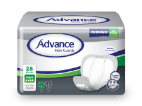
Advance® Male Guard Super
The 26 cm Super guard provides a discreet option for lighter everyday leakage (600ml–900ml) and is worn inside close-fitting underwear.
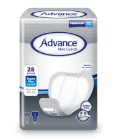
Advance® Male Guard Super Plus
The 29 cm Super Plus (750ml–1,190ml) provides additional coverage, with leak barriers designed to support a secure fit.
*Both products contain 28 guards per pack.
The Advance® Male Guard should be secured inside close-fitting conventional underwear or Advance® Fixation Pants using the adhesive backing strip.
When should you seek further advice?
Talk to your GP, surgeon, continence nurse, pelvic floor physiotherapist or other healthcare professional if leakage is troublesome, worsening or affecting your everyday activities.
You should also seek medical advice for urinary symptoms such as difficulty starting urine flow, a slow stream, ongoing feelings of incomplete emptying or new urgency and frequency.
Seek prompt medical advice if you cannot pass urine, notice blood in your urine, have pain when urinating or develop significant lower abdominal pain.
Read Our Prostate Cancer
and Continence Guide
Find what suits you now
Recovery after prostate surgery can change over time, and your continence protection can change with it.
If you are now managing lighter bladder leakage, Advance® Male Guards provide targeted protection inside your own underwear without moving straight to a full absorbent brief.
Use our Product Finder to request a free sample, or contact the ContinenceCare team if you would like help comparing your options.
REFERENCES
You may also find these resources helpful:
Healthify He Puna Waiora
Bladder trainingNational Institute for Health and Care Excellence
Lower urinary tract symptoms in men: management, CG97National Institute for Health and Care Excellence
Lower urinary tract symptoms in men: management, CG97This article provides general information and is not a substitute for personalised medical advice, diagnosis or treatment.