

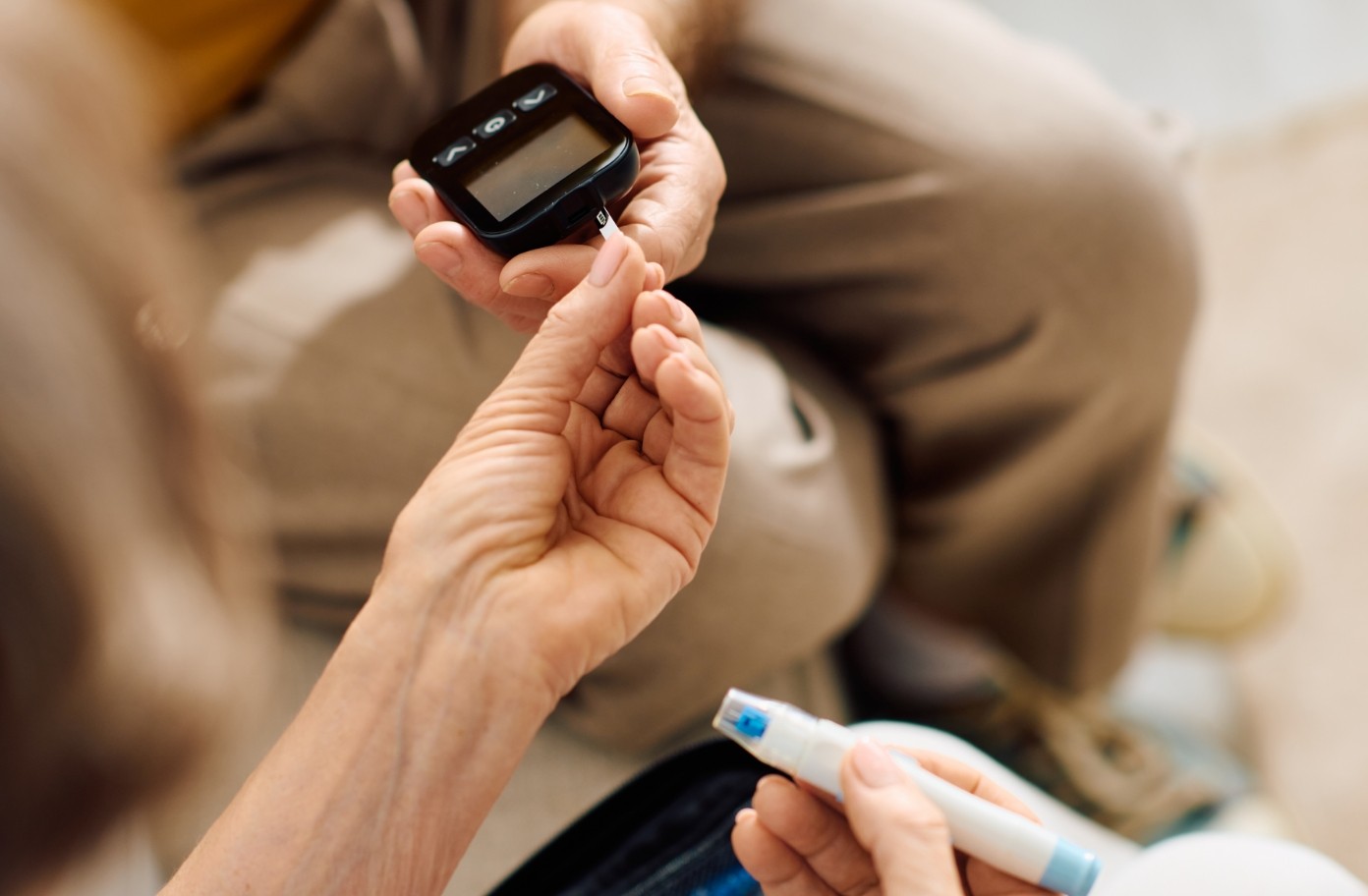
Diabetes and Bladder Control: What You Need to Know
You probably have a good idea of what’s normal for your bladder. How often you use the toilet, whether you wake during the night, and how much warning you usually get when you need to go.
So when those habits start changing, it’s natural to wonder why. Needing the toilet more often, experiencing sudden urgency or noticing unexpected leaks can happen for several reasons. One possible cause is diabetes.
Diabetes can affect bladder function in different ways, from increasing urine production to changing how the nerves and muscles controlling your bladder work.
Understanding the connection can help you recognise symptoms, seek appropriate medical advice and find practical ways to manage bladder leakage.
The type and amount of leakage can vary depending on the operation and the individual. Prostate surgery is also not limited to cancer treatment. Procedures may be used to treat prostate cancer or urinary symptoms caused by benign prostate enlargement.
Whatever the reason for surgery, understanding why leakage can happen and what support is available can make the recovery period easier to manage.
Can diabetes cause frequent urination?
Yes. Frequent urination is one of the recognised symptoms of high blood glucose, sometimes called high blood sugar.
When blood glucose levels become too high, your kidneys work to remove the excess glucose through your urine. Water is drawn out with it, meaning your body produces more urine than usual.
You might notice you’re:-
Going to the toilet more frequently throughout the day
Passing larger amounts of urine
Waking more often during the night to urinate
Feeling unusually thirsty
Frequent urination and increased thirst can be signs of undiagnosed diabetes, particularly when accompanied by tiredness, unexplained weight loss or other changes in your health.
However, frequent urination doesn’t necessarily mean you have diabetes. Fluid intake, medications, urinary infections and other bladder conditions can cause similar symptoms.
If you’ve noticed a persistent change, speak with your GP.
How diabetes can affect bladder control
Producing more urine is only one way diabetes can influence bladder health.
Over time, diabetes may also affect the nerves that help control bladder function. It can also increase the likelihood of urinary tract infections.
These changes can affect people differently.
Changes to the nerves controlling your bladder
Your bladder relies on nerves to communicate with your brain.
These nerves help you recognise when your bladder is filling and coordinate the muscles responsible for emptying it.
Long-term diabetes, particularly when blood glucose levels have been difficult to manage, can sometimes damage these nerves. This is known as diabetic neuropathy.
When the nerves involved in bladder control are affected, you may:-
Have difficulty recognising when your bladder is full
Experience sudden or unexpected urgency
Find it difficult to empty your bladder completely
Experience accidental urinary leakage
In some cases, incomplete bladder emptying can cause urine to remain in the bladder, increasing the risk of infection and other complications.
These symptoms need medical assessment to establish what’s causing them.
Urinary tract infections
People living with diabetes have a greater risk of developing urinary tract infections (UTIs).
High glucose levels and changes to the body’s ability to fight infection can contribute to this risk. Difficulty emptying the bladder completely may also allow bacteria to multiply.
Symptoms of a UTI can include:-
Burning or discomfort when passing urine
Needing to urinate more frequently
Feeling a sudden or urgent need to go
Pain or pressure in the lower abdomen
Cloudy or blood-stained urine
If you notice these symptoms, seek medical advice rather than assuming they’re simply part of living with diabetes.
Is frequent urination the same as incontinence?
Not necessarily.
Frequent urination means needing to pass urine more often than usual. You may still have complete control over when and where you go.
Urinary incontinence means experiencing involuntary leakage of urine.
Some people living with diabetes may experience both. Others may have frequent urination without any leakage at all.
Understanding the difference is useful because different bladder symptoms can have different causes and may require different treatments.
A GP or continence professional can help establish what is happening and recommend appropriate support.
What can you do if your bladder habits change?
The first step is to find out what’s causing the change.
If you have diabetes, speak with your GP or diabetes care team about any new bladder symptoms. If you haven’t been diagnosed with diabetes but are urinating more frequently, particularly alongside increased thirst or tiredness, it’s worth arranging a check-up.
There are also some practical ways to better understand and manage your symptoms.

Keep a bladder diary
Recording your toilet habits for a few days can help identify patterns and give your healthcare professional useful information.
Make a note of how often you go, what you drink, and whether you experience urgency, leakage or difficulty emptying your bladder. You don’t
need anything complicated. A notebook or a simple record on your phone can be enough.

Keep drinking water
When you’re going to the toilet frequently, drinking less might seem like the obvious solution.
But restricting fluids can make urine more concentrated, potentially irritating your bladder. It can also contribute to constipation.
Aim to drink regularly throughout the day, unless your healthcare professional has advised you to limit your fluid intake.

Look after your overall health
Recording your toilet habits for a few days can help identify patterns and give your healthcare professional useful information.
Make a note of how often you go, what you drink, and whether you experience urgency, leakage or difficulty emptying your bladder.
You don’t need anything complicated. A notebook or a simple record on your phone can be enough.
Managing bladder leakage in everyday life
If you’re experiencing urinary leakage, continence products can help you stay comfortable while the underlying cause is being assessed or treated.
Different products are designed for different levels of leakage.
For lighter leaks, Advance® Ultra Thin Liners or Small Shaped Pads may provide sufficient protection while allowing you to continue wearing your usual underwear.
For moderate or heavier leakage, Advance® Breathable Pull-Up Briefs offer greater absorbency in an underwear-like style.
The right choice depends on how much you are leaking, when it happens, your mobility and what you feel comfortable wearing.
It’s also important to remember that continence products help manage leakage. They don’t treat the underlying medical condition.
EXPLORE ADVANCE® INCONTINENCE PRODUCTS
Not sure which product is
right for you?
At ContinenceCare, we know that choosing continence products isn’t always straightforward, especially if your needs have recently
changed.
Our online Product Finder can help you identify suitable Advance® products, and free trial packs are available for eligible products so you
can check the fit and protection before ordering a full pack.
You can also speak directly with our New Zealand-based
team on 0800 72 38 72,
Monday to Friday, 9am–4pm.
And remember, if you are experiencing new or ongoing
bladder symptoms, speak with your GP or continence
professional. Many bladder control problems can be treated
or improved once the cause is understood.
References
Diabetes New Zealand
Diabetes New Zealand, Infections
Continence NZ
Healthify NZ
This article provides general information and is not a substitute for personalised medical advice, diagnosis or treatment.